
Assessment of the Severity of the Global Energy Crisis Amidst US-Israeli Military Strikes on Iran
Anna Mitchell – Researcher
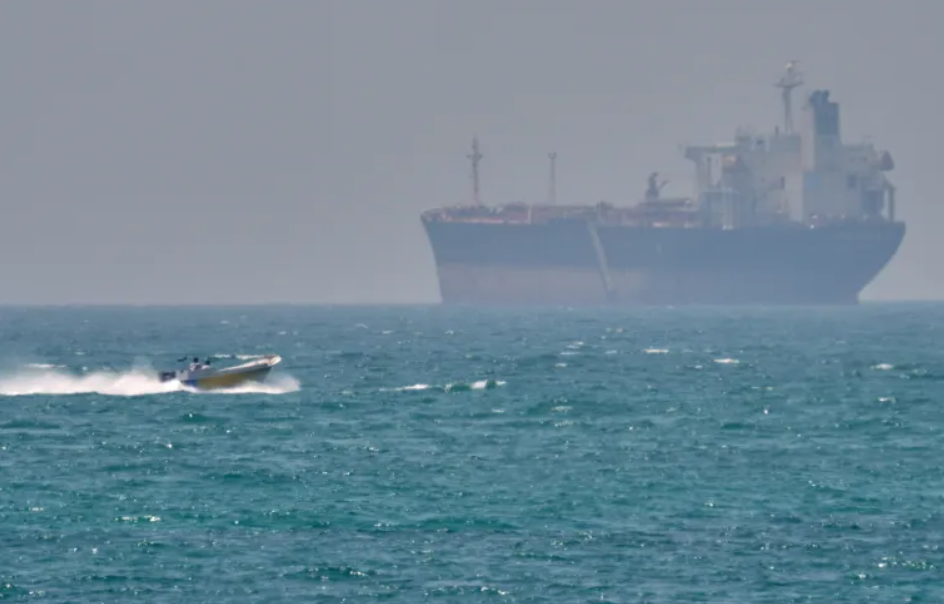
From late February to early March, the United States and Israel launched joint military strikes against Iran. This action caused a sudden escalation of tensions in the Middle East, dealing a severe blow to global energy supply chains. The Strait of Hormuz has effectively ground to a halt regarding shipping due to security risks; Qatar has officially suspended its LNG production; and energy extraction and exports in Iran—as well as in surrounding oil- and gas-producing nations in the Persian Gulf region—have been forcibly interrupted or curtailed due to the conflict. These events have directly disrupted the flow of the three key energy sources—oil, natural gas, and nuclear energy—causing the global energy crisis to escalate sharply.
I. The Conflict Inflicts Multiple Shocks Upon the Flow of Three Major Energy Sources
The US-Israeli conflict against Iran has directly severed energy transport routes and disrupted extraction operations. Based on an analysis of current military developments and energy data, all three major energy sectors have sustained varying degrees of impact.
(I) Oil: Shipping Paralyzed and Production Capacity Impaired
Prior to the conflict, the Strait of Hormuz facilitated the daily transport of approximately 20 million barrels of liquid petroleum, accounting for over 30% of the global seaborne crude oil trade. Due to the war, shipping through the strait has currently come to a near-total standstill. Among existing alternative pipelines, the combined surplus capacity of Saudi Arabia and the UAE is insufficient to meet demand, while the alternative corridor through Turkey remains in the negotiation phase and is therefore unable to bridge the current shipping deficit.
As the third-largest oil producer within OPEC, Iran accounted for 4.5% of global oil output prior to the conflict. Currently, its core oil fields have sustained damage due to the fighting, resulting in a drastic decline in production capacity. Neighboring oil-producing nations, such as Saudi Arabia and Iraq, have also been affected by the hostilities, experiencing significant fluctuations in their oil field production activities. The confluence of these various factors has created a tense situation regarding the global supply of oil.
(II) Natural Gas: Shipping Blocked and Production Capacity Fluctuating; Supply Deficit Continues to Widen
Data indicates that 20% of the world’s LNG is transported through the Strait of Hormuz; specifically, 93% of Qatar’s LNG exports and 7% of the UAE’s rely on this specific transit route. As a direct consequence of the conflict, Qatar has suspended its LNG production, while both maritime and pipeline transport operations in surrounding gas-producing nations face significant security threats. Consequently, the global LNG supply chain is currently experiencing disruptions to its transport routes, and the European natural gas market has already begun to exhibit the first signs of a looming supply shortage. Extraction activities at Iran’s core gas fields—such as South Pars—have come to a complete halt due to the ongoing conflict, resulting in a drastic decline in production capacity. Meanwhile, gas-producing neighbors like Qatar and the UAE have already experienced fluctuations in their own output. When combined with current supply data, it is evident that—in the short term—the resulting supply gap caused by the disruption to Iran’s production and shipping operations cannot be filled.
(III) Nuclear Energy: Short-Term Risks Manageable; Nuclear Safety and Cooperation Under Strain
Following the U.S.-Israeli strike on Iran’s Natanz nuclear facility, the International Atomic Energy Agency (IAEA) explicitly stated that it detected no leakage of radioactive material and that radiation safety levels in the surrounding area remain stable. Furthermore, there has been no direct interruption to the supply of nuclear fuel. However, auxiliary areas of the facility sustained damage, creating potential safety hazards; consequently, relevant safety inspection and assessment work is currently underway.
This U.S.-Israeli strike has set a precedent wherein a nuclear-armed state launches a military attack against the peaceful nuclear facilities of a treaty signatory. This action has severely eroded the global nuclear safety framework. An analysis of the current state of international nuclear cooperation reveals that this incident has already led to the suspension of several international nuclear energy projects and is expected to impact the global nuclear industry landscape in the long term.
II. Analysis of the Global Energy Landscape
Based on an analysis of current international energy market data, the reserve status of various economies, and their emergency response capabilities, energy market volatility has now fully manifested. The characteristics of short-term shocks are particularly pronounced, while medium-to-long-term risks are gradually being revealed through data trends.
(I) Price Levels: Gains Approaching Historical Crisis Levels
According to market monitoring data, Brent crude oil futures surged nearly 13% in a single day on March 2, hitting an intraday high of $82.37 per barrel—the highest level recorded since January 2025. On the same day, benchmark natural gas prices in Europe spiked by over 50% during trading hours, reflecting intense market anxiety regarding potential supply shortages. The international oil market generally regards this event as the most significant oil crisis shock since the Russia-Ukraine conflict began in 2022.
(II) Reserve Levels: Significant Disparities in Economic Resilience
As of early 2026, China possesses ample strategic and commercial oil reserves—sufficient to cover national consumption for over 130 days—far exceeding the international safety threshold of 90 days. Furthermore, natural gas reserves have been steadily increasing, and import channels for nuclear fuel have been diversified. When analyzed in conjunction with import data, China demonstrates robust overall emergency buffering capabilities. According to data from the U.S. Department of Energy as of February 2026, its Strategic Petroleum Reserve (SPR) inventory stands at 411 million barrels—sufficient to cover approximately 125 days of net crude oil imports. Given its high degree of energy self-sufficiency and ample reserve buffering capacity, the U.S. Department of Energy has explicitly stated that it currently has no plans to release its strategic petroleum reserves.
Based on data from the Gas Infrastructure Europe (GIE) and the European Commission’s Directorate-General for Energy as of the end of February 2026, the EU’s natural gas storage fill level has dropped to 30.9%. This represents a significant decline from the 83% recorded in October 2025 and marks a low point for this time of year over the past decade. When analyzed in conjunction with the EU’s import structure, this indicates a relatively weak level of resilience in the face of potential energy supply disruptions.
(III) Emergency Response: Limited Capacity for Increased Production; Alternative Solutions Unlikely to Yield Short-Term Results
On March 1, the Organization of the Petroleum Exporting Countries (OPEC) issued a statement announcing that eight oil-producing nations had decided to moderately increase production by 206,000 barrels per day, effective April 1. Prior to the current conflict, the OPEC+ mechanism possessed a global effective spare oil production capacity of approximately 4.35 million barrels per day—75% of which was concentrated in the Middle East. However, a potential blockade of the Strait of Hormuz would restrict the channels available for deploying this capacity, thereby limiting the actual effectiveness of any production increases. Furthermore, Norway—the EU’s largest natural gas supplier—is currently operating at full production capacity and possesses no additional spare capacity available for release.
Regarding new energy sources, current production data indicates that renewables such as solar and wind power have limited capacity to fill the gap in the short term; they are unable to rapidly substitute for core demand currently met by oil and natural gas. Additionally, new U.S. LNG production capacity requires several months to reach full operational levels and therefore cannot immediately offset the supply shortfall resulting from the suspension of LNG production in Qatar.
A comprehensive analysis—integrating global energy reserve data, current transportation conditions, and emergency response capabilities—suggests that while current global energy reserves can buffer supply shocks and mitigate the severity of the crisis in the short term, data already reveals emerging issues such as stalled shipping through the Strait of Hormuz and compromised production capacity among key oil and gas-producing nations. When compounded by the limited overall capacity for production increases within OPEC+ and the slow pace at which new energy alternatives can take effect, the medium-to-long-term risks associated with the current crisis are becoming increasingly pronounced. III. Analysis and Assessment of the Impact of the Energy Crisis on Various Stakeholders
The severity of the energy crisis’s impact varies significantly across different stakeholders; consequently, the response measures adopted by various nations are highly correlated with their respective levels of energy self-sufficiency, import structures, and geopolitical stances.
(I) The United States
Data indicates that the United States possesses a high rate of energy self-sufficiency, ample shale oil production capacity, and substantial strategic petroleum reserves, affording it a considerable buffer period. Given its relatively low reliance on Middle Eastern oil, the impact of the current crisis on its energy supply is limited. In terms of response, the U.S. has sought to regulate the market by pressuring OPEC to increase production and by expanding its own exports of Liquefied Natural Gas (LNG). The core objective of these measures—which aligns with its strategic positioning in the energy sector—is to preserve the U.S. dollar’s dominance in energy pricing.
(II) China
According to the “2025 Report on the Development of the Domestic and International Oil and Gas Industry”, China’s external dependency on crude oil is projected to reach 72.7% in 2025. Approximately 45% of its imported crude oil (sourced primarily from Saudi Arabia, Iraq, Iran, the UAE, Kuwait, and others) and nearly one-third of its LNG imports (sourced primarily from Qatar) must transit through the Strait of Hormuz. Iran constitutes a significant source of crude oil imports for China. While ample strategic reserves can effectively buffer against short-term energy supply disruptions, military conflicts nonetheless pose a threat to the stability of China’s energy imports. A spokesperson for the Ministry of Foreign Affairs has stated that China will, based on its specific circumstances and requirements, arrange for the release of crude oil from its national strategic reserves and implement other necessary measures to maintain market stability. China can leverage overland pipelines—such as those connecting China with Russia and Kazakhstan—to reduce its reliance on maritime transport, while simultaneously accelerating the development of new energy sources to meet current energy security requirements.
(III) European Union Nations
The European Union is highly dependent on imports for both oil and natural gas. Data indicates that 10% to 15% of the EU’s LNG is sourced from Qatar; consequently, the current suspension of LNG production in Qatar has created a supply deficit that is proving difficult to bridge. The resulting surge in energy costs has already inflicted a palpable impact on both the industrial sector and the daily lives of citizens within the EU. In response, the EU has initiated plans to reactivate certain traditional energy facilities while actively seeking alternative gas sources—such as those in the United States and Africa—and strengthening cooperation with energy-supplying nations in an effort to alleviate supply pressures. (IV) Middle Eastern Nations
Based on an analysis of the energy production capacities of various Middle Eastern nations—and the extent to which they have been impacted by conflict—oil-producing states such as Saudi Arabia and the UAE possess the potential to increase output; however, due to the blockade of key straits, the actual volume of additional supply that can be brought to market remains limited. Conversely, Iran and its neighboring countries—caught in the crossfire of regional conflicts—have suffered severe repercussions, including damage to energy infrastructure and disruptions to production capacity. In terms of response strategies, oil-producing nations have planned to initiate moderate production increases starting in April in an effort to capture market share; meanwhile, other regional stakeholders are prioritizing risk mitigation, engaging in strategic maneuvering between major global powers to safeguard their own national interests.
The military strikes launched by the United States and Israel against Iran fundamentally represent a concentrated manifestation of the geopolitical rivalry within the Middle East and the global competition for dominance over the energy order; these events are profoundly reshaping the regional balance of power as well as the energy security strategies of individual nations.